Cookies Policies

WE USE COOKIES: Our site uses web cookies and other similar technologies to offer a better browsing experience. By your continued use of this site, you accept such use. To change your settings, see our Privacy Policy.

Cookies Policies

WE USE COOKIES: Our site uses web cookies and other similar technologies to offer a better browsing experience. By your continued use of this site, you accept such use. To change your settings, see our Privacy Policy.

Industrial, Medical & Speciality Gases

1 min

Industrial, Medical & Specialty Gases: The Invisible Heroes All Around Us

You probably don't think about gases much in your daily life – unless you're grilling up some burgers with propane or maybe filling up balloons for a party. But here's the thing: gases are basically everywhere, doing some seriously important work behind the scenes.

What Are We Even Talking About?

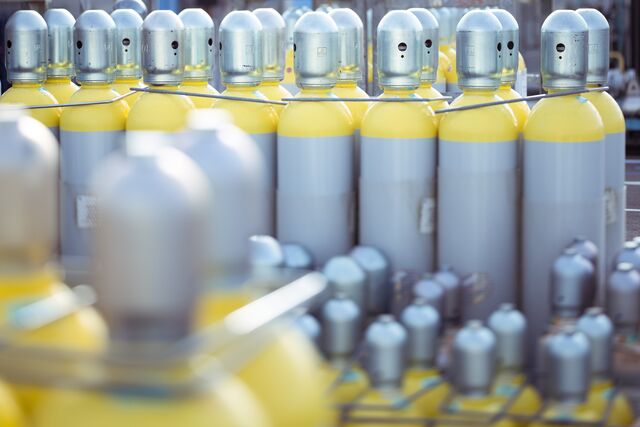
When we say "industrial, medical, and specialty gases," we're talking about way more than just air. These are carefully produced, purified, and packaged gases that keep our world running smoothly. Think oxygen, nitrogen, helium, argon, carbon dioxide, and a whole bunch of others you've probably never heard of.

The Medical MVPs

Let's start with the obvious one – medical oxygen. Hospitals literally can't function without it. Whether it's helping patients breathe, supporting surgeries, or keeping premature babies alive, medical-grade oxygen is non-negotiable. And it's not just oxygen either. Nitrous oxide (yeah, laughing gas!) is still used in dentistry, while specialized gas mixtures help with everything from anesthesia to respiratory therapy.

Industrial Workhorses

On the industrial side, these gases are the unsung heroes of manufacturing. Welding? You need argon or helium for that. Making computer chips? Ultra-pure nitrogen is essential. Freezing food quickly to lock in freshness? Thank liquid nitrogen for that. Even your favorite fizzy drinks owe their bubbles to food-grade CO₂.

The Specialty Squad

Then there are the specialty gases – the niche players doing very specific jobs. We're talking ultra-high-purity gases for laboratories, calibration gases for testing equipment, and exotic mixtures for scientific research. These might sound boring, but they're crucial for innovation and quality control across countless industries.

The Bottom Line

Next time you're at a hospital, eating frozen veggies, or admiring some shiny metal fabrication, take a second to appreciate the invisible gases making it all possible. They might not be glamorous, but our modern world literally couldn't exist without them.

Pretty cool for something you can't even see, right?

Industrial, Medical & Speciality Gases

1 min

Industrial, Medical & Specialty Gases: The Invisible Heroes All Around Us

You probably don't think about gases much in your daily life – unless you're grilling up some burgers with propane or maybe filling up balloons for a party. But here's the thing: gases are basically everywhere, doing some seriously important work behind the scenes.

What Are We Even Talking About?

When we say "industrial, medical, and specialty gases," we're talking about way more than just air. These are carefully produced, purified, and packaged gases that keep our world running smoothly. Think oxygen, nitrogen, helium, argon, carbon dioxide, and a whole bunch of others you've probably never heard of.

The Medical MVPs

Let's start with the obvious one – medical oxygen. Hospitals literally can't function without it. Whether it's helping patients breathe, supporting surgeries, or keeping premature babies alive, medical-grade oxygen is non-negotiable. And it's not just oxygen either. Nitrous oxide (yeah, laughing gas!) is still used in dentistry, while specialized gas mixtures help with everything from anesthesia to respiratory therapy.

Industrial Workhorses

On the industrial side, these gases are the unsung heroes of manufacturing. Welding? You need argon or helium for that. Making computer chips? Ultra-pure nitrogen is essential. Freezing food quickly to lock in freshness? Thank liquid nitrogen for that. Even your favorite fizzy drinks owe their bubbles to food-grade CO₂.

The Specialty Squad

Then there are the specialty gases – the niche players doing very specific jobs. We're talking ultra-high-purity gases for laboratories, calibration gases for testing equipment, and exotic mixtures for scientific research. These might sound boring, but they're crucial for innovation and quality control across countless industries.

The Bottom Line

Next time you're at a hospital, eating frozen veggies, or admiring some shiny metal fabrication, take a second to appreciate the invisible gases making it all possible. They might not be glamorous, but our modern world literally couldn't exist without them.

Pretty cool for something you can't even see, right?

SEARCH ×